Robotics & automation

Injection-molded parts for robots and automation equipment.

Engineering and tooling support for robot covers, sensor housings, cable-management parts, gripper shells and automation-equipment enclosures.

Send CAD / drawing
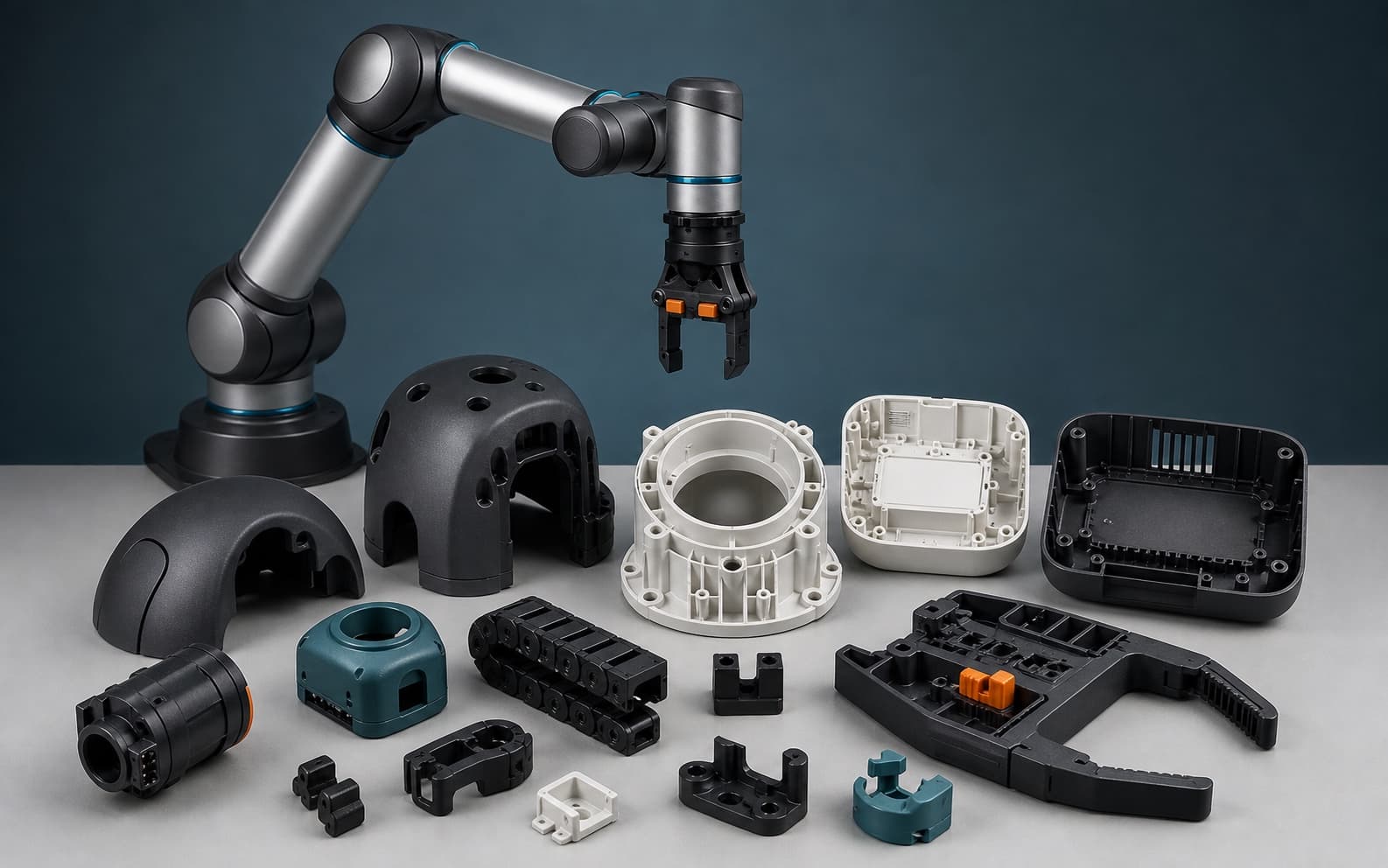
Concept composition of a robot arm with injection-molded covers, housings, cable guides and gripper componentsConcept image — capability focus
Representative applications

Representative component families for capability review.

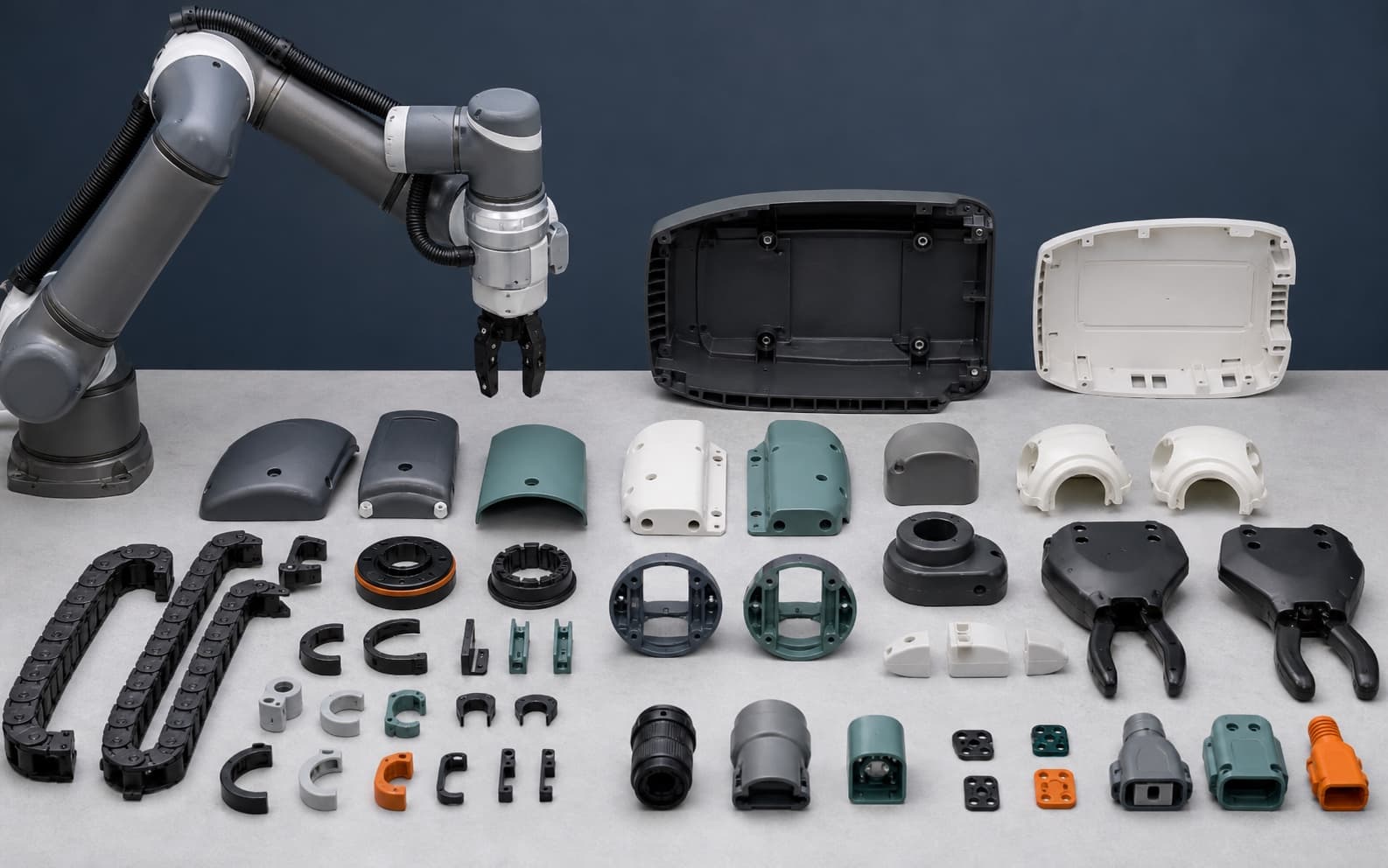
  • Robot joint and protective covers
  • Sensor and encoder housings
  • End-effector and gripper shells
  • Cable guides and protective clips
  • Controller and teach-pendant enclosures
  • Automation equipment covers
Engineering focus

Questions that shape the tool.

  • Impact, stiffness and weight targets
  • Assembly, service and cable access
  • Snap fits, inserts and fastening features
  • EMI, thermal and sealing requirements
  • Appearance and moving-clearance interfaces

Final specifications are confirmed from the actual part, resin, target machine and production plan.

Spare & replacement parts

A replacement part must fit the existing assembly and revision.

Reverse engineering or re-tooling starts by confirming the exact machine model, part revision, mating interfaces, material, color, service environment and expected order volume. A physical sample can help, but functional and dimensional requirements still need written approval.

  • Existing CAD, drawing or reference sample
  • Revision and interchangeability check
  • Mating parts and assembly clearances
  • Material, color and service conditions
  • Marking, packing and repeat-order control
Small precision parts

Precision comes from the whole process—not one tolerance number.

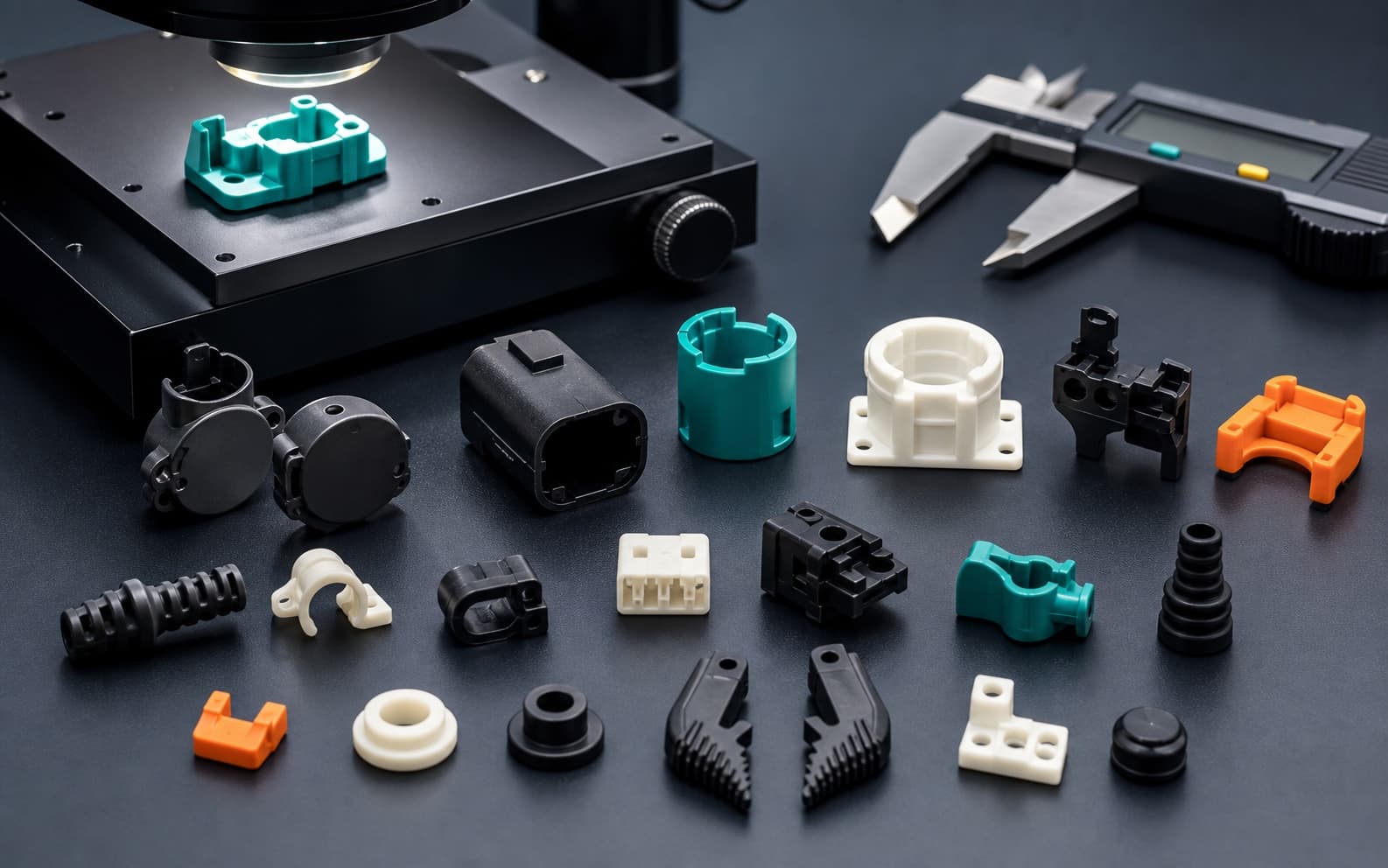
For small robot components, the team reviews datum strategy, shrinkage, gate and ejector location, thin features, inserts, warpage, fixture design and measurement repeatability before confirming the tooling and inspection route.

  • Critical-to-fit and critical-to-function dimensions
  • Fine ribs, bosses, holes and snap features
  • Insert molding and threaded-insert interfaces
  • Optical or dimensional inspection where appropriate
  • Capability confirmation from trial and production data

MoldNexa does not publish a generic precision claim for every part. Achievable tolerances are confirmed only after reviewing the actual geometry, resin, tool concept, measurement method and production conditions.

Start a project

Discuss a robotics & automation tooling project.

Share CAD, drawings or a project description. The tooling team will confirm what is needed for a useful review and quotation.

Upload CAD
Chat on WhatsApp